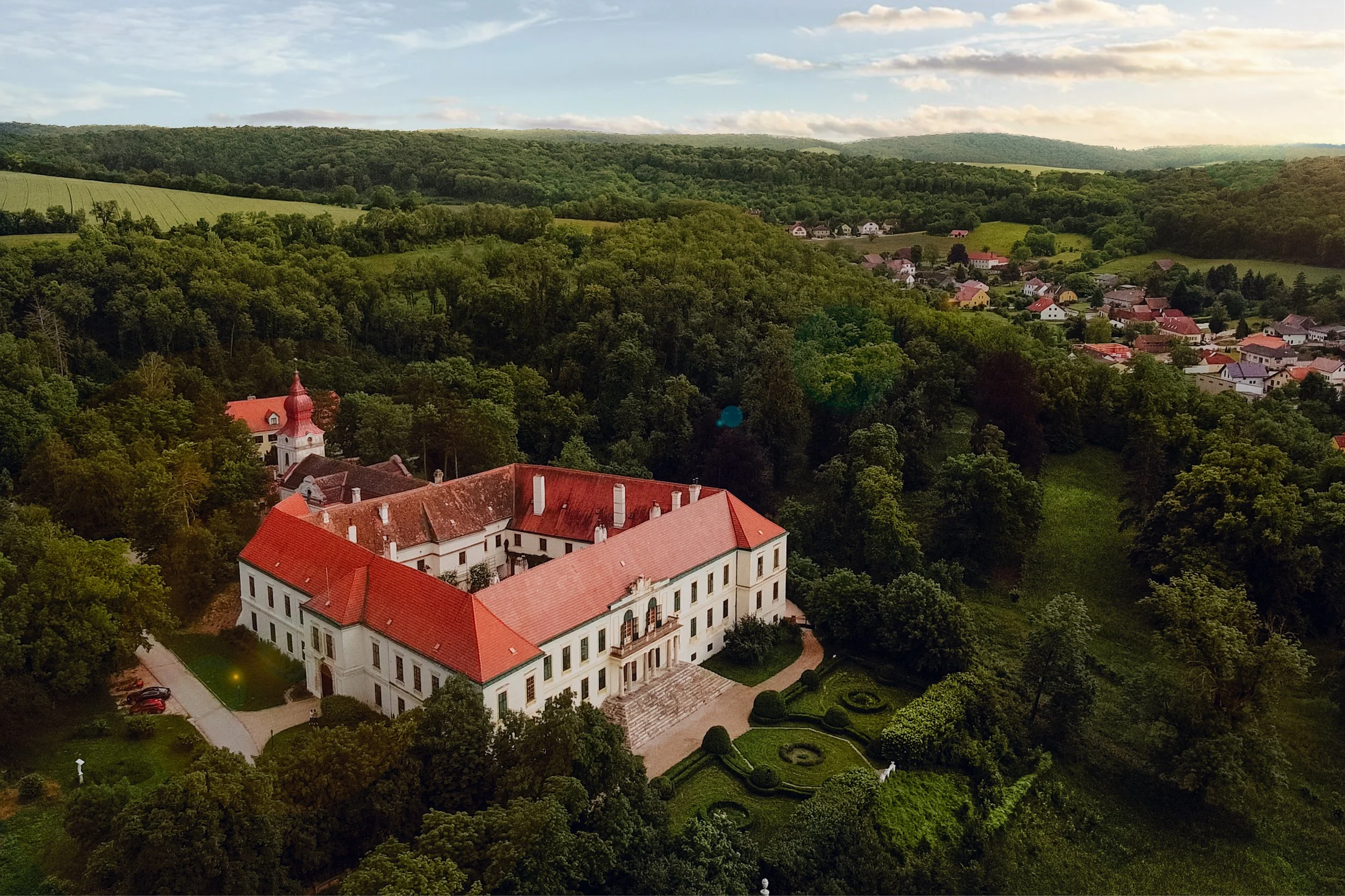
Schloss Loosdorf · Weinviertel
Where history and culture meet sustainable Demeter farming
- Since 1834 owned by the Piatti family
- Since 1982 biodynamic
- Mistelbach district Lower Austria
The Piatti Family
Eight generations of sustainability in practice
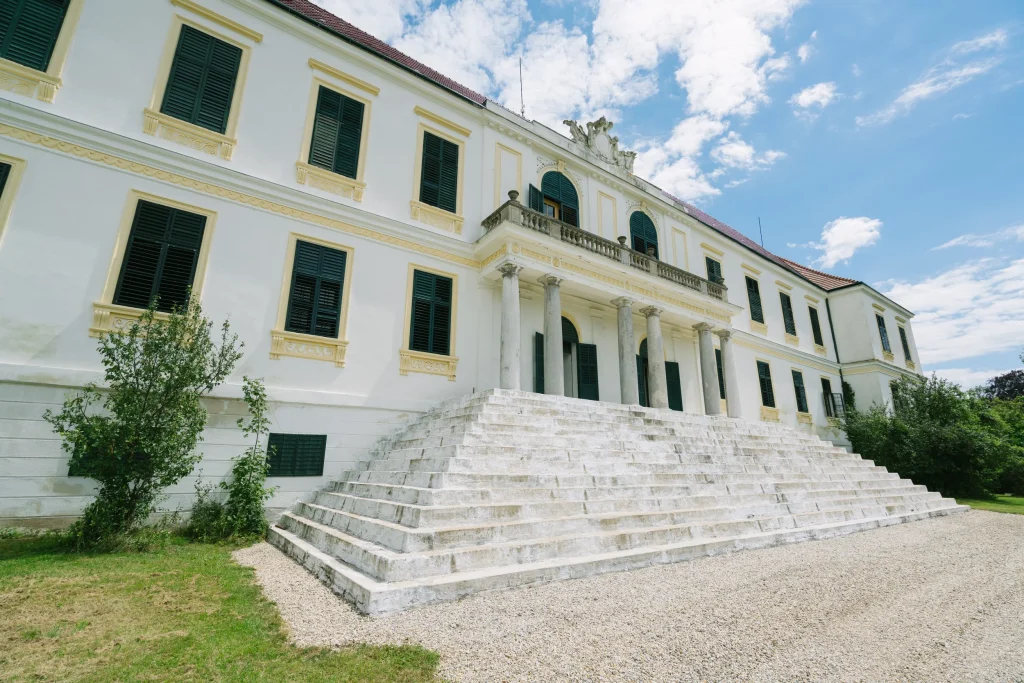
Schloss Loosdorf unites centuries of history with a unique culture and the beauty of its own fields and forests. Since 1834, the Piatti family has run a farming and forestry estate around the castle.
Discover
Experience Schloss Loosdorf
I
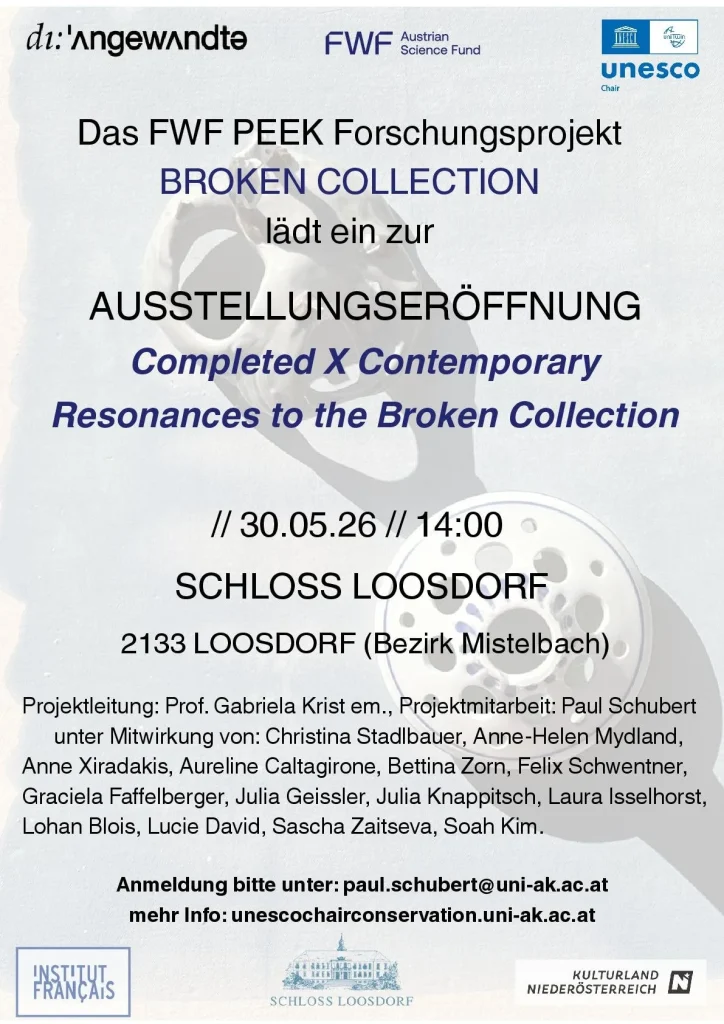
Broken Collection
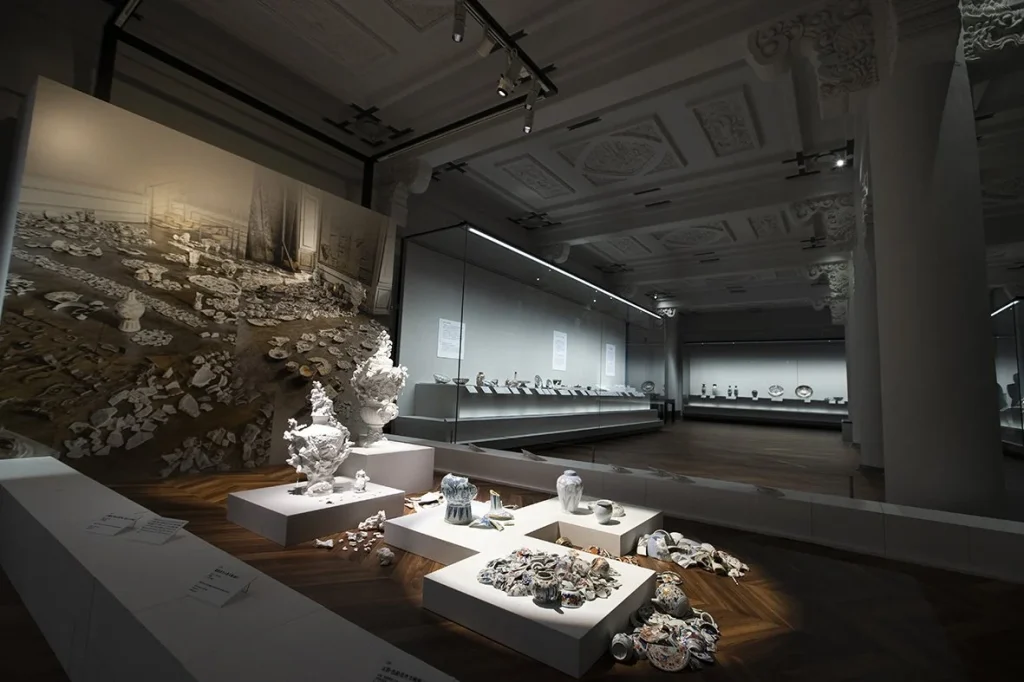
The unique story of “destruction and reconstruction” shapes every facet of Schloss Loosdorf. The Broken Collection shows how something new can emerge from what was destroyed and seemingly useless.
II
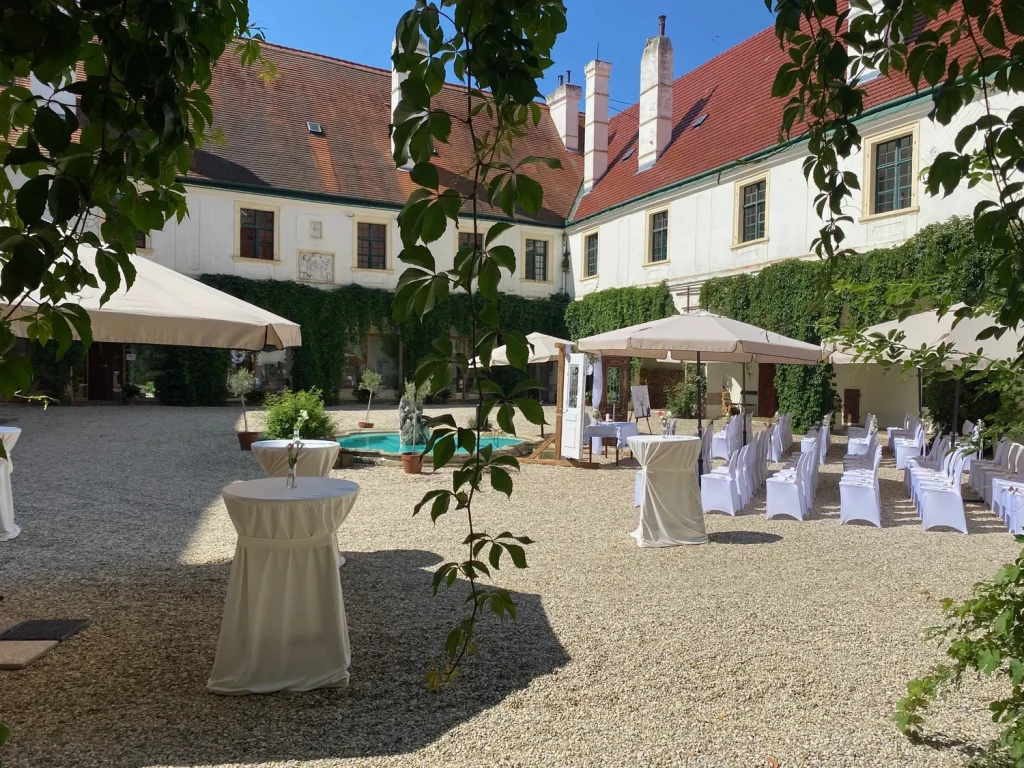
Weddings
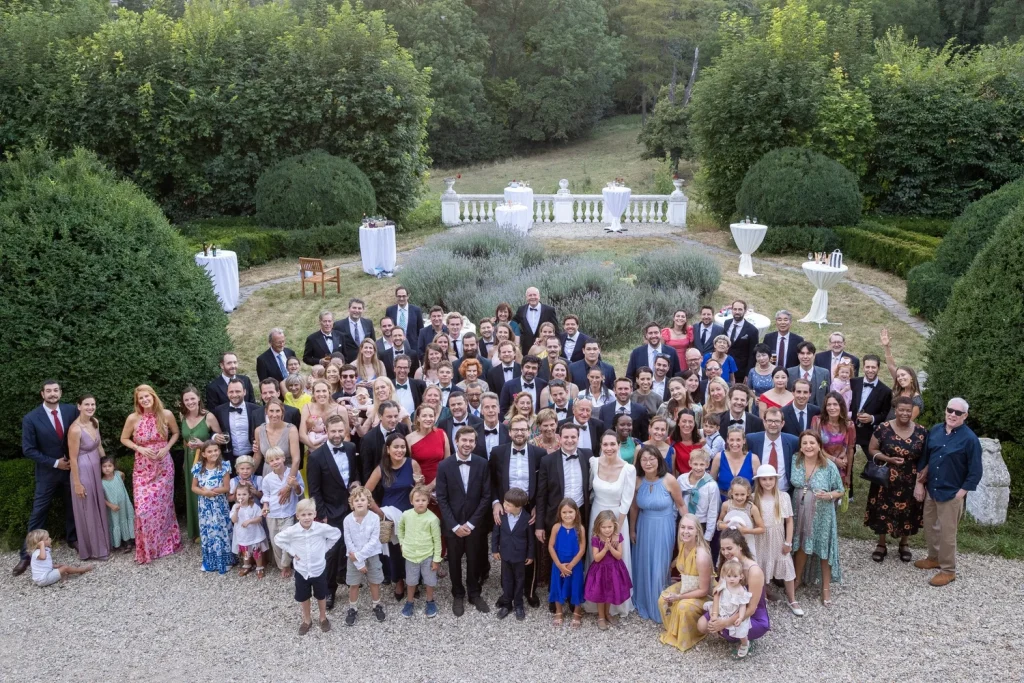
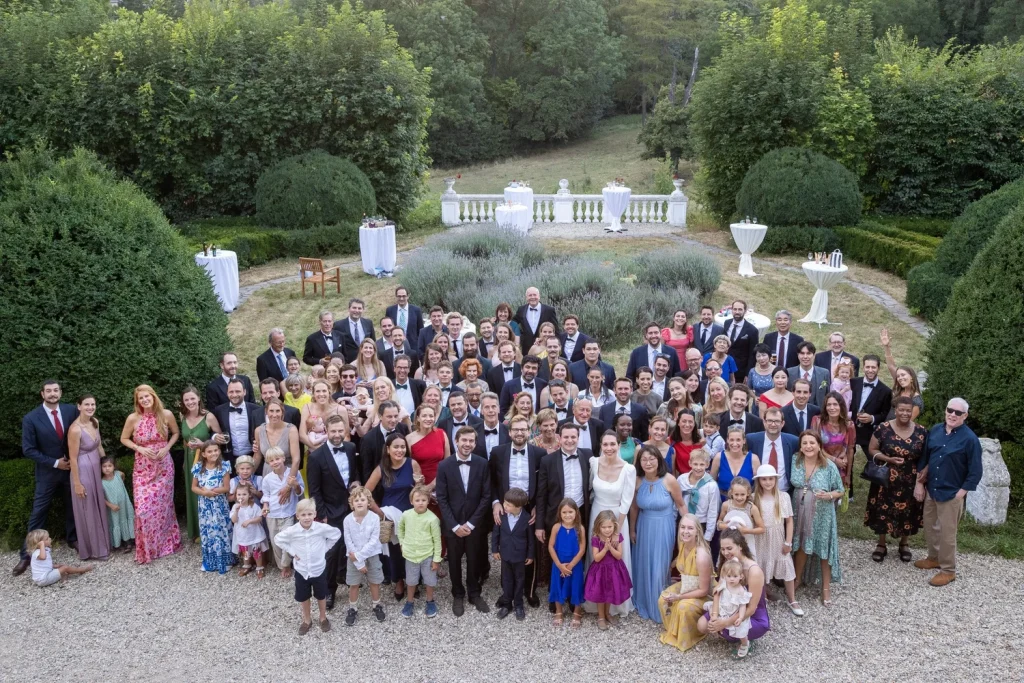
Where history meets culture and nature: Schloss Loosdorf offers an exceptional, tranquil setting for unforgettable wedding celebrations and civil ceremonies.
III
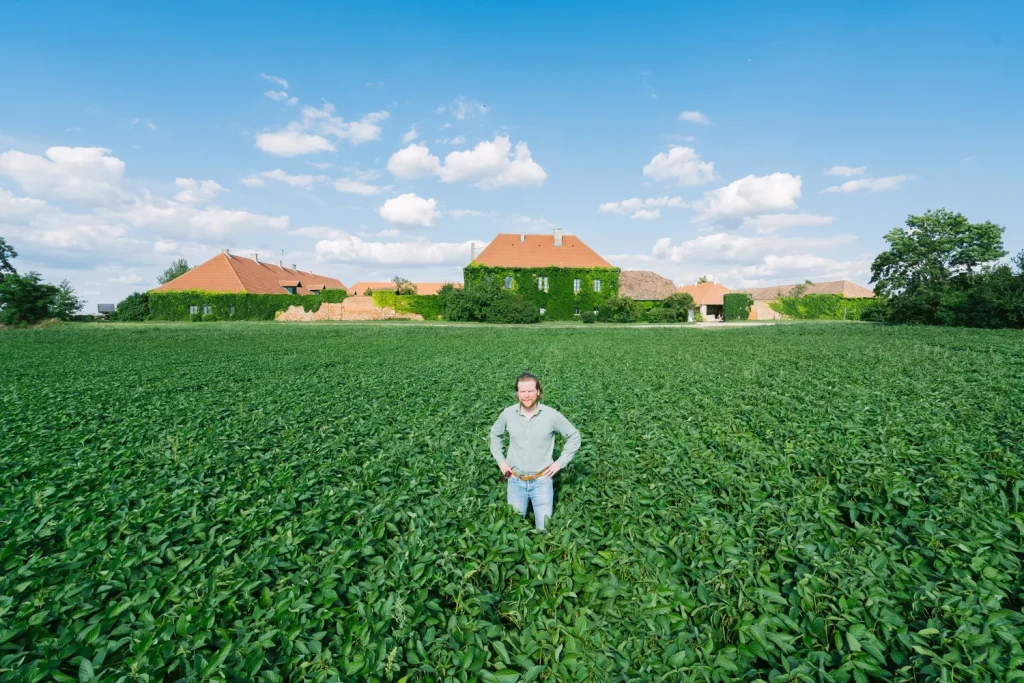
Demeter farming
The estate is a pioneer of biodynamic farming. It has been run according to biodynamic principles since as early as 1982.
Broken CollectionDemeter since 1982WeddingsThe Piatti family since 1834Film locationWeinviertel
Broken Collection
A story of destruction and reconstruction
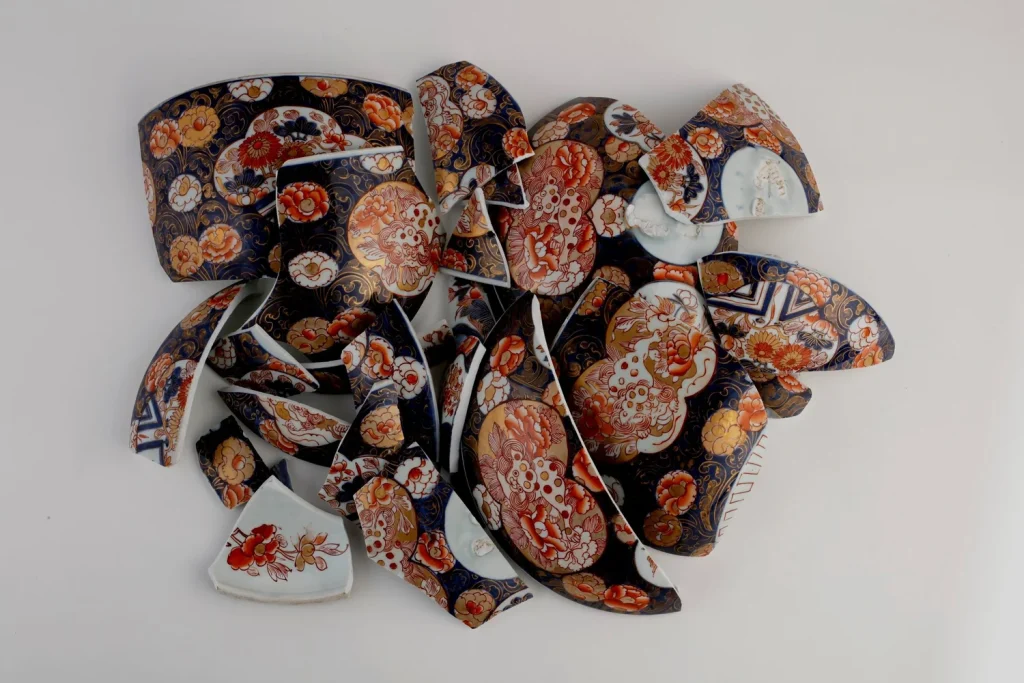
Its history tells of unimaginable vandalism, the culmination of which can still be seen today in the so-called “shard room”. It is a room that stands as a memorial to the senseless destruction of war.
At the heart of the Broken Collection is the historic porcelain and shard collection, unique in the world. Selected pieces have been restored by Japanese experts and the University of Applied Arts Vienna.
- Open 1 May to 31 October, by advance booking only
- Guided tour at least 5 people, with a guided tour, EUR 55 per guided tour
- Admission EUR 12 per person
History
Centuries in Loosdorf
Middle Ages
Schloss Loosdorf is built as a fortress and is owned by a succession of noble families.
17th century
During the Thirty Years’ War, much of the castle is destroyed by fire. It owes its present form to the Princes of Liechtenstein.
1834
The Piatti family acquires the Loosdorf estate and shortly afterwards is elevated to the rank of Austrian counts by Emperor Ferdinand I.
Second World War
The family’s historic porcelain collection is almost completely destroyed. What remains is the shard room.
1982
Alfons Piatti converts the entire estate to biodynamic agriculture.
2015
A Japanese university analyses the collection on site and confirms it as Japanese cultural property.
2020 to 2022
“The Tragedy of Loosdorf Castle” is shown at four Japanese museums, from Tokyo to Arita.
2023
The collection is back in Loosdorf. The University of Applied Arts Vienna launches the Broken Collection research project.
2025
Selected objects are shown digitally in the Austrian Pavilion at the World Expo in Osaka.
Demeter farming
A pioneer of biodynamic farming
Farming has always been seen in a wider context: philosophically and spiritually, as the foundation of life for people and animals and as the source and guardian of all living things. The aim is to produce high-quality food for body, mind and soul.
- 1834 farming and forestry run by the Piatti family
- 1982 conversion to biodynamic farming
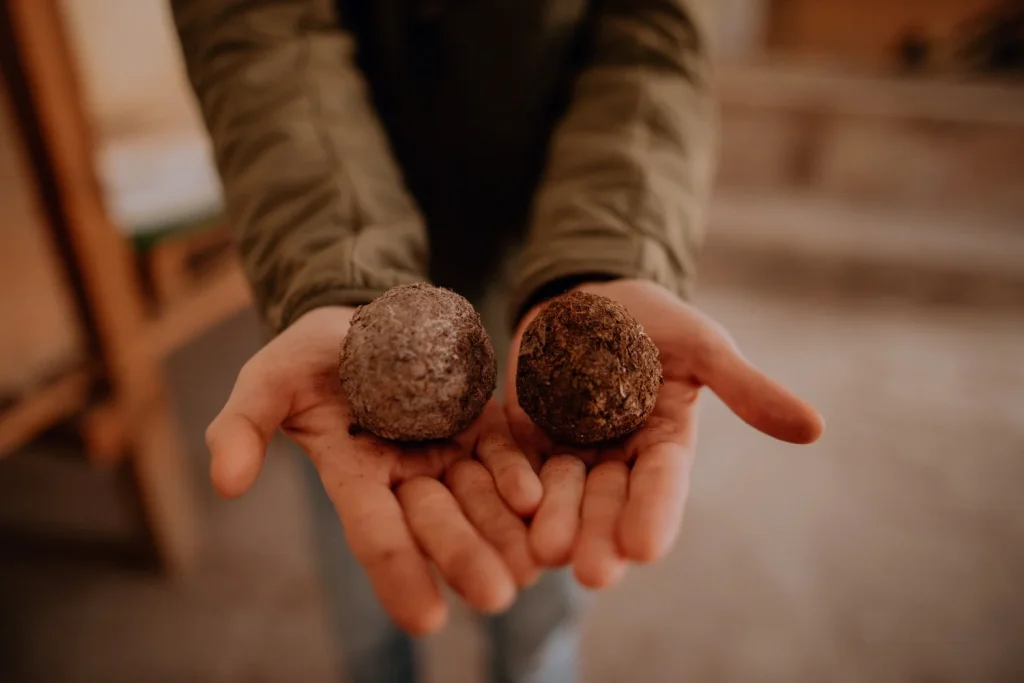
- around 60 cattle provide manure compost as fertiliser
News
News from the castle
Visit
How to find us
- Address Schloss Loosdorf, Loosdorf 1, A-2133 Loosdorf
- Phone +43 2524 8222
- Email office@piatti.at
Please note: Schloss Loosdorf is in the Mistelbach district (2133 Loosdorf), not in Loosdorf near Melk.